

What Shilajit Does to Your Energy Levels (And Why It Takes 3 Weeks)
Abdullaah KhanShare
What Shilajit Actually Does to Your Energy Levels - And Why It Takes 3 Weeks to Feel It
You’ve probably seen it everywhere lately. Dark, resinous, slightly mysterious — shilajit has gone from obscure Himalayan remedy to one of the fastest-growing supplements in the UK, and it shows no sign of slowing down.
Most of the content you’ll find about it falls into one of two camps: breathless influencer claims that it’ll “transform your energy” within days, or sceptical dismissals that it’s all ancient folklore dressed up for modern gullibility. Neither is particularly honest. The truth — as it usually is — sits somewhere more interesting in between.
So here’s what shilajit actually does, what the research genuinely supports, and why the most common mistake people make is giving up just before it starts working.
What Even Is Shilajit?
Before we get into the evidence, it helps to understand what you’re actually dealing with — because shilajit is unusual.
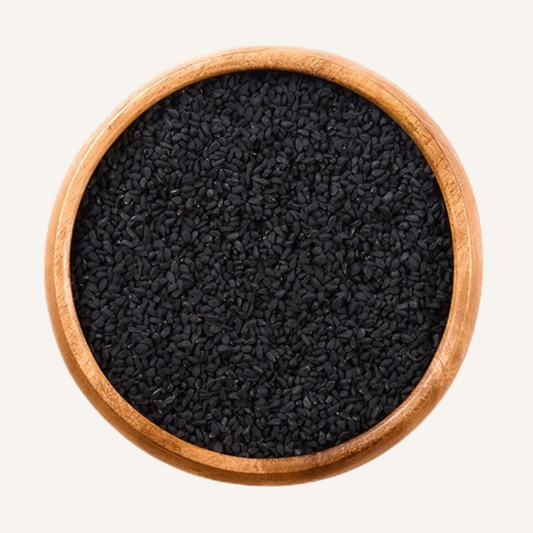
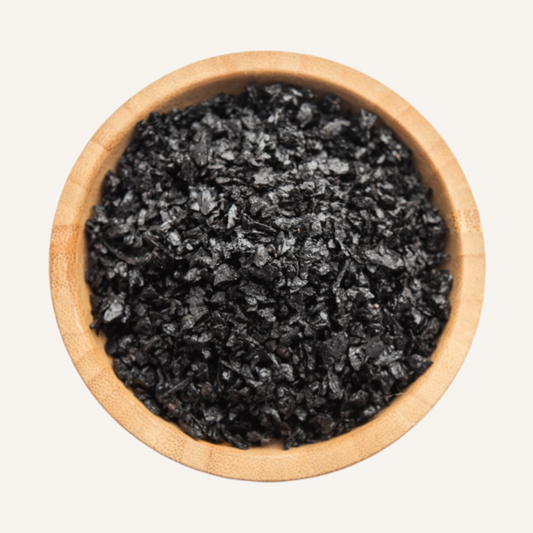
It’s not a herb, or a vitamin, or a synthesised compound. It’s a natural resinous substance that forms over centuries as organic plant material decomposes under geological pressure in mountain regions — primarily the Himalayas, Altai, and Caucasus. The result is a dense, tar-like exudate that seeps from rock faces at altitude and has been used in Ayurvedic medicine for over 3,000 years as a rasayana — a class of substances considered to be restorative and life-extending.
What makes shilajit chemically distinctive is its composition. It contains fulvic acid as its primary bioactive compound (typically 15–20% in quality preparations), along with humic acids, dibenzo-α-pyrones (DBPs), and more than 80 trace minerals including iron, magnesium, zinc, and potassium.[^1]
That combination — particularly the fulvic acid — is where most of the interesting science begins.
The Energy Connection: What’s Actually Happening
When people say shilajit “boosts energy,” it’s worth asking: what kind of energy, and through what mechanism?
This isn’t a caffeine situation. Shilajit doesn’t stimulate your nervous system or give you a quick buzz. What the research points to is something more fundamental — its effect on mitochondrial function.
Your mitochondria are the energy-producing structures inside your cells. They convert nutrients into ATP (adenosine triphosphate) — the molecule your body actually uses as fuel for nearly every biological process. When mitochondrial function declines, so does your energy, your mental clarity, and your physical resilience. It’s subtle at first. Most people just call it “getting older” or “not sleeping well.”
Research published in the Journal of Ethnopharmacology found that shilajit supplementation improved mitochondrial function and ATP production in animal models.[^2] Later human-focused reviews — including a 2020–2023 body of work reviewed by researchers — found evidence of higher ATP output and reduced oxidative stress in individuals taking purified shilajit.[^3]
The proposed mechanism is that fulvic acid acts as an electron transporter, helping to support the efficiency of the mitochondrial electron transport chain. In simple terms: it may help your cells produce energy more efficiently, rather than flooding them with stimulants.
That’s a meaningful distinction. And it’s also why you won’t feel it on day one.
What the Clinical Evidence Actually Shows
Let’s be straightforward here: shilajit research is still catching up with its reputation. Most of the strongest evidence comes from animal studies or small human trials, and the field needs larger, longer, better-controlled studies before we can make definitive claims.
That said, what exists is genuinely promising — particularly in a few key areas.
Fatigue and Physical Performance
A randomised, placebo-controlled trial published in the Journal of the International Society of Sports Nutrition studied 63 recreationally active men over eight weeks. Those taking 250–500mg of purified shilajit daily showed reduced fatigue-induced decline in muscle strength compared to the placebo group.[^4] The higher dose (500mg) produced stronger results. This wasn’t about raw strength gains — it was about resilience under fatigue, which is a different and arguably more useful outcome for most people.
Male Vitality and Testosterone
A 2016 study published in Andrologia followed 75 healthy men aged 45–55 who took 250mg of purified shilajit twice daily for 90 days. The results showed meaningful increases in both total and free testosterone compared to placebo.[^5] Researchers attributed this to fulvic acid and the dibenzo-α-pyrones, which may support energy production in the testes and hormone synthesis pathways.
This is probably the most-cited shilajit study — and it’s worth noting it was relatively small. Promising, yes. Conclusive, not quite yet.
Chronic Fatigue and Broader Health Outcomes
A 2024 systematic review published in the Journal of Population Therapeutics and Clinical Pharmacology — which analysed 15 clinical studies involving 1,254 participants — found evidence supporting shilajit’s potential in managing chronic fatigue syndrome, high-altitude sickness, cognitive decline, and male infertility.[^6] The review noted that adverse effects across the studies were generally mild (occasional digestive discomfort) and transient. The researchers concluded that shilajit shows “significant potential” but called for further high-quality trials to consolidate the findings.
That last part matters. Honest science always acknowledges its own limits. We’d encourage anyone reading this to hold the same standard.
So Why Does It Take Three Weeks?
This is where a lot of people go wrong — and why there are so many “I tried it for a week and felt nothing” reviews online.
Shilajit isn’t a stimulant, and it doesn’t work acutely. Its proposed mechanisms — improving mitochondrial efficiency, supporting mineral absorption, reducing cellular oxidative stress — are cumulative processes. Your body needs time to respond to them.
In the clinical trials that showed meaningful outcomes, intervention periods ranged from four weeks to twelve months. The eight-week fatigue study saw measurable results across the full duration of supplementation. The testosterone study ran for ninety days. Even three weeks is technically the early end of when practitioners expect people to notice anything at all.
This is completely normal for this category of supplement — adaptogens and tonic herbs operate on biological timescales, not pharmaceutical ones. The fact that you don’t feel it immediately isn’t evidence it isn’t working. It’s evidence that it’s working the right way.
The practical upshot: if you try shilajit for five days and feel nothing, that tells you nothing. Give it a minimum of three to four weeks of consistent daily use before drawing any conclusions.
One Thing Most People Overlook: Quality Is Everything
Here’s something the influencer content almost never mentions. Shilajit quality varies enormously — and some products on the market are genuinely poor.
A 2025 study found that certain processed shilajit supplements actually contained higher levels of toxic heavy metals than raw, unpurified varieties — a sobering reminder that “natural” doesn’t automatically mean “safe or clean.”[^7] Raw or unrefined shilajit may also contain contaminants including fungal spores and oxidised compounds, which is why purification matters.
When buying shilajit, the things that actually matter are:
Purification process — look for brands that use genuine purification methods, not just a label claim. Fulvic acid standardisation — reputable products will specify fulvic acid content (aim for 50%+ in extracts, or meaningful % in resins). Third-party lab testing — independent verification of purity and heavy metal levels is non-negotiable. Source transparency — Himalayan-sourced shilajit has the longest research and traditional track record, and the best brands will tell you exactly where their product comes from.
The difference between a quality shilajit product and a poor one isn’t just efficacy — it’s safety.
How to Use Shilajit: A Practical Guide
If you’ve decided shilajit is worth trying — or you’re already taking it and wondering how to optimise your approach — here’s what the evidence and traditional use together suggest.
Dose: The most-studied range in human trials is 250–500mg daily of purified extract. Resin forms are highly concentrated, so dosing guidance will differ — always follow the specific product instructions and don’t assume more is better.
Timing: Most practitioners suggest taking shilajit in the morning or before activity, dissolved in warm (not boiling) water or milk. Consistent daily use matters more than timing.
Duration: Commit to a minimum of three to four weeks before assessing any effect. Ideally six to eight weeks for a fair evaluation.
What to look for: Gradual improvements in sustained energy (not a rush), better recovery after exercise, improved mental clarity through the day, and — in men especially — general vitality. These are subtle shifts, not dramatic ones.
Who should be cautious: Those taking medication for diabetes or blood pressure should consult a GP before starting, as shilajit may interact with these. Pregnant or breastfeeding women should also check with a healthcare professional first. Anyone with kidney disease or haemochromatosis (excess iron) should avoid it.
Our Himalayan Shilajit resin at Sweet Health is sourced directly from verified Himalayan origins and prepared in its traditional resin form — the format closest to how it’s been used in Ayurvedic practice for centuries. If you’ve been curious about trying it, that’s a good place to start.
The Bottom Line
Shilajit is one of the more genuinely interesting supplements to emerge into mainstream awareness in recent years. The traditional use is ancient and well-documented. The emerging science — whilst still maturing — is directionally promising, particularly around fatigue, mitochondrial function, and male hormonal health.
It isn’t a miracle. It won’t turbocharge your energy in 48 hours, and anyone claiming otherwise is selling something harder than shilajit. But for people who approach it with realistic expectations, choose a quality product, and give it sufficient time — there’s a real case to be made.
The Sherpas who’ve consumed it for generations probably didn’t need a clinical trial to tell them that. But it’s reassuring that science is starting to catch up.
References
[^1]: Carrasco-Gallardo, C., Guzmán, L., & Maccioni, R. B. (2012). Shilajit: A natural phytocomplex with potential procognitive activity. International Journal of Alzheimer’s Disease, 2012, Article 674142. https://doi.org/10.1155/2012/674142
[^2]: Bhattacharyya, S., et al. (2012). Shilajit dibenzo-α-pyrones: Mitochondria targeted antioxidants. Pharmacologyonline, 2, 690–698.
[^3]: Kats Botanicals Research Summary (2025). Shilajit studies: What modern research reveals. Reviewed from: https://katsbotanicals.com/8-scientific-studies-that-support-shilajit/
[^4]: Keller, J. L., et al. (2019). The effects of shilajit supplementation on fatigue-induced decreases in muscular strength and serum hydroxyproline levels. Journal of the International Society of Sports Nutrition, 16(1), 3. https://doi.org/10.1186/s12970-019-0270-2
[^5]: Pandit, S., et al. (2016). Clinical evaluation of purified shilajit on testosterone levels in healthy volunteers. Andrologia, 48(5), 570–575. https://doi.org/10.1111/and.12482
[^6]: Arshad, M., et al. (2024). Systematic review of shilajit: Clinical efficacy and safety. Journal of Population Therapeutics and Clinical Pharmacology, 31(6), 1464–1471.
[^7]: Cleveland Clinic Health (2025). Shilajit benefits, side effects and uses. Retrieved from: https://health.clevelandclinic.org/shilajit-benefits